A MICRO MINORITY IN A HOTPOT OF DIVERSITY
A Turkish life abroad
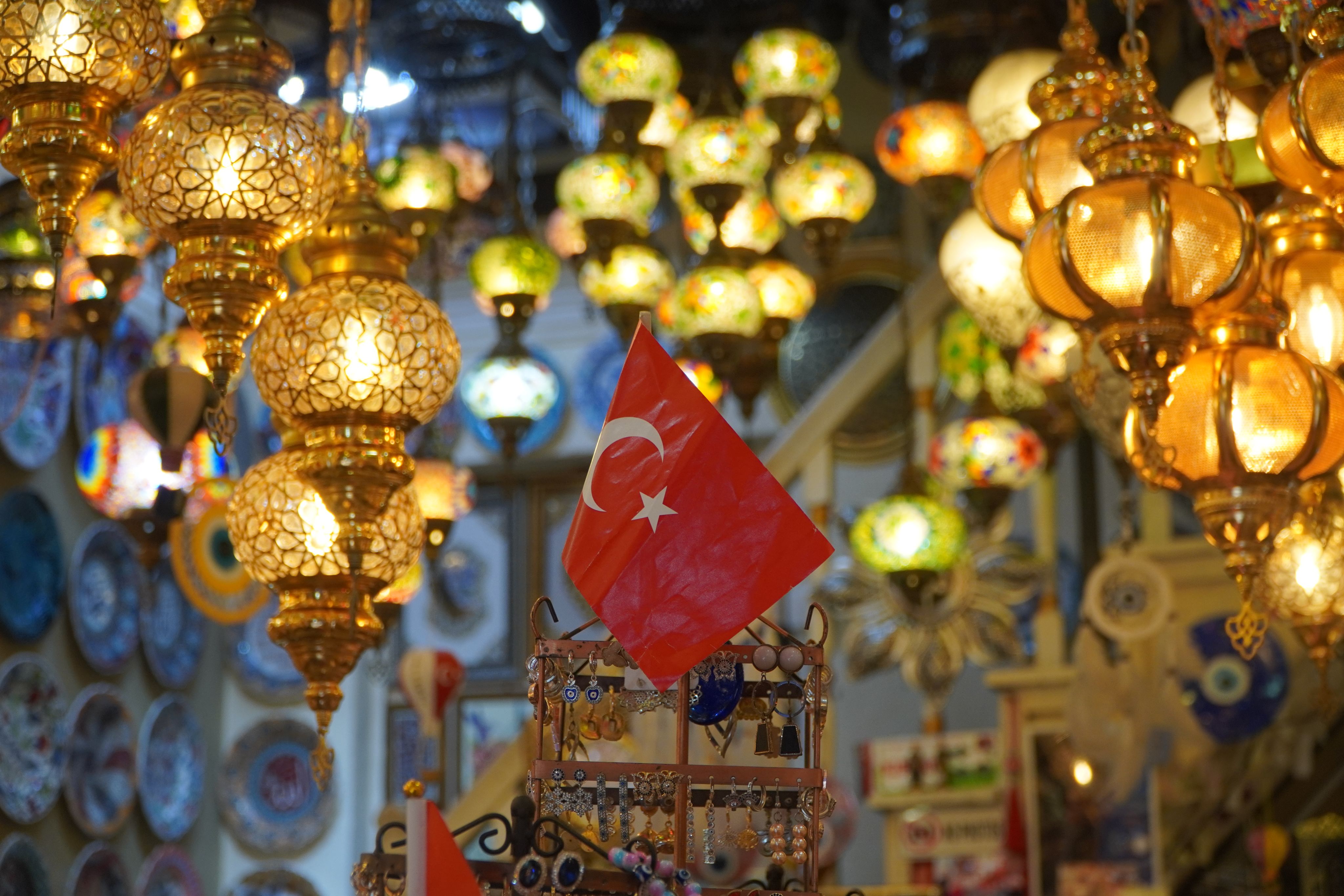

The scent of sizzling kebab spreads through the humid air. The hiss of the oil can be heard from streets away. Mosaic lamps hang low from the ceilings. Walls are covered in evil eye charms and shelves are lined with ceramic plates and tins of Turkish coffee. The chatter of locals’ drifts in and out, blending with the rhythm of Turkish songs. I watch as the mint is sprinkled on the yoghurt, the chai is poured into different shaped glasses, and the fresh dough is kneaded hastily.
No, this is not Istanbul. It is Singapore. In what many call the heart of the community, Arab Street, lies an abundance of Turkish restaurants and gift shops.
But behind the Instagrammable images and the mouth-watering, authentic food, is another reality. A story of a minority community.

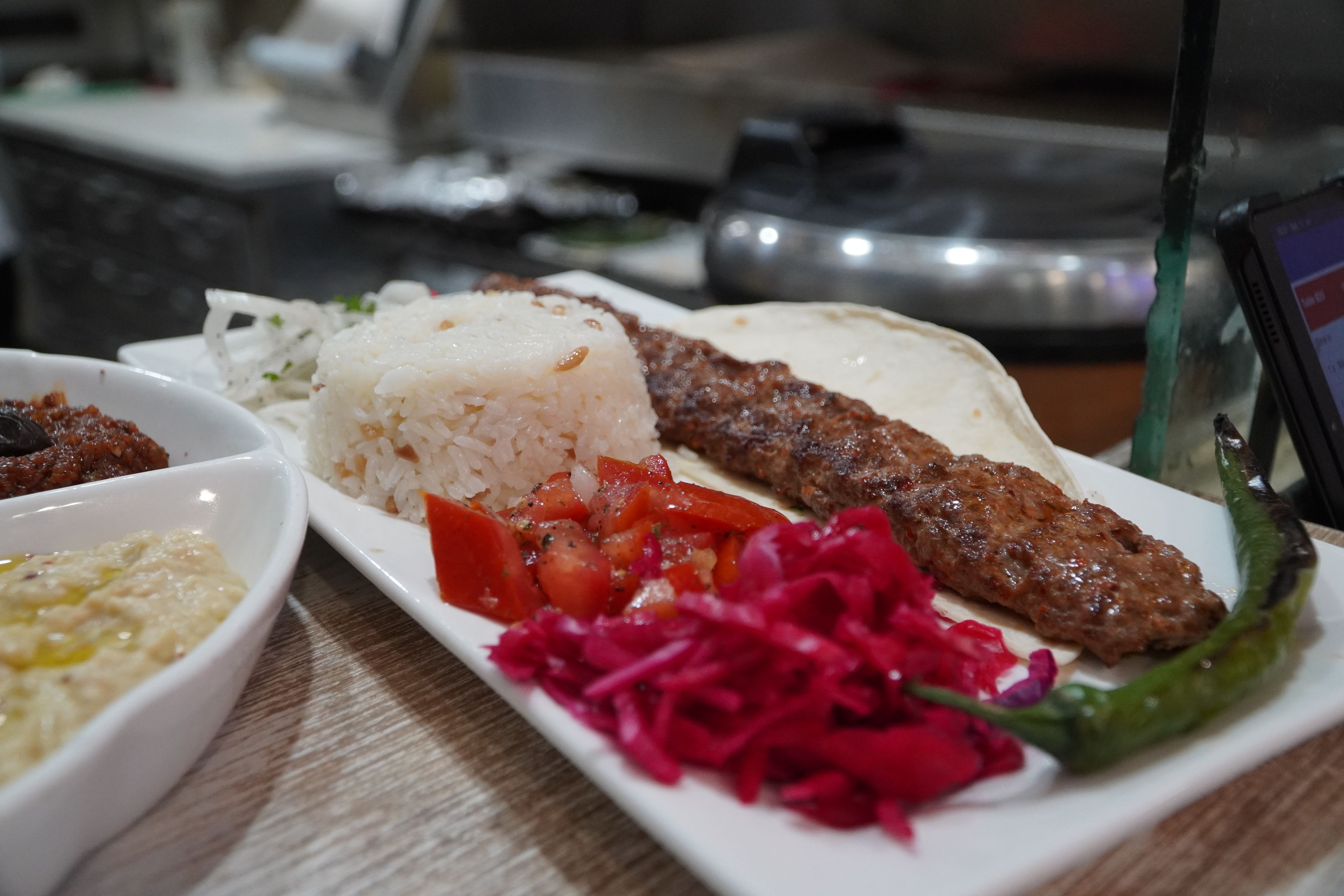
Adana kebab fresh off the grill. Photo: Esma Serin.
Adana kebab fresh off the grill. Photo: Esma Serin.
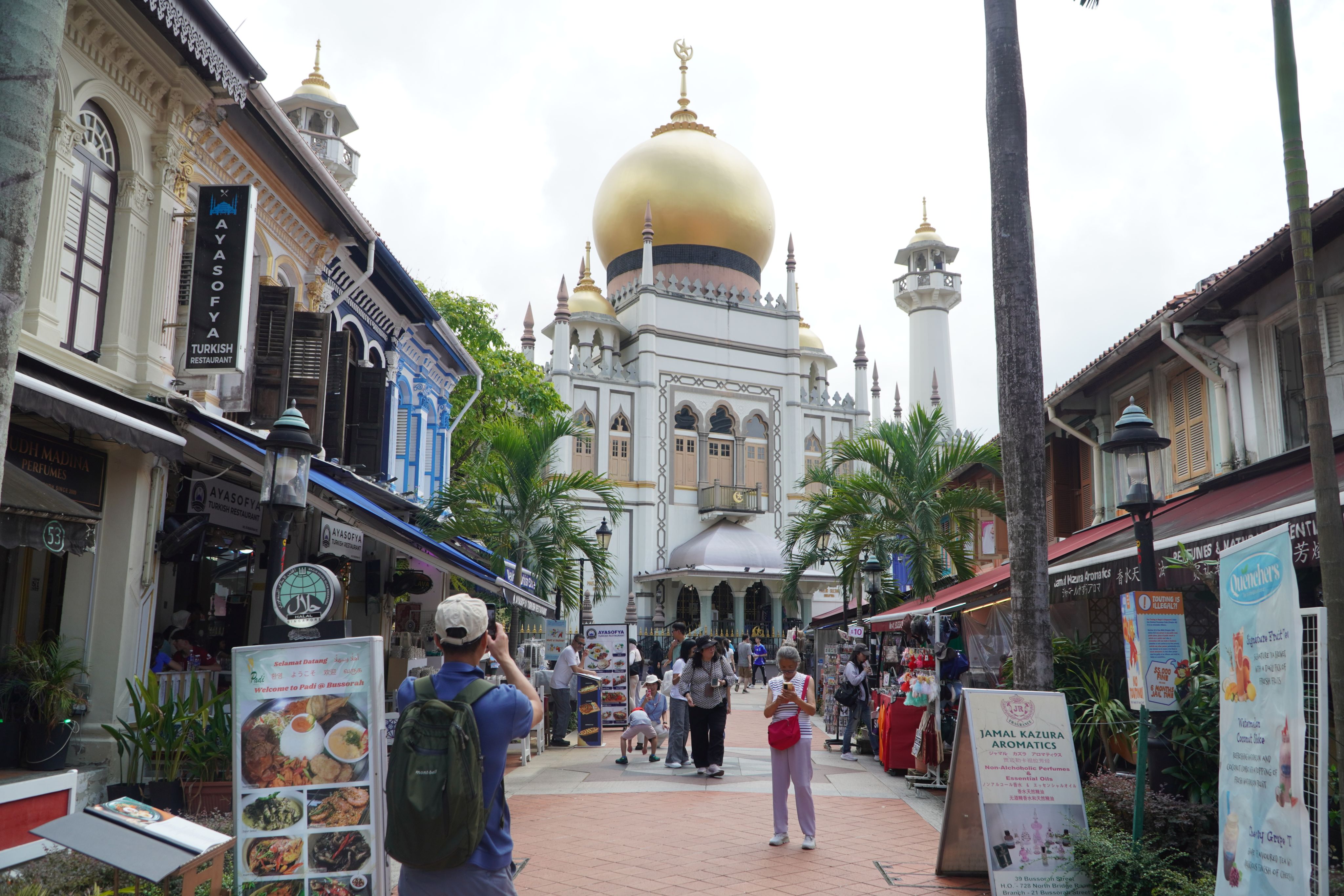
Arab street and Sultan mosque surrounded by tourists. Photo: Esma Serin.
Arab street and Sultan mosque surrounded by tourists. Photo: Esma Serin.

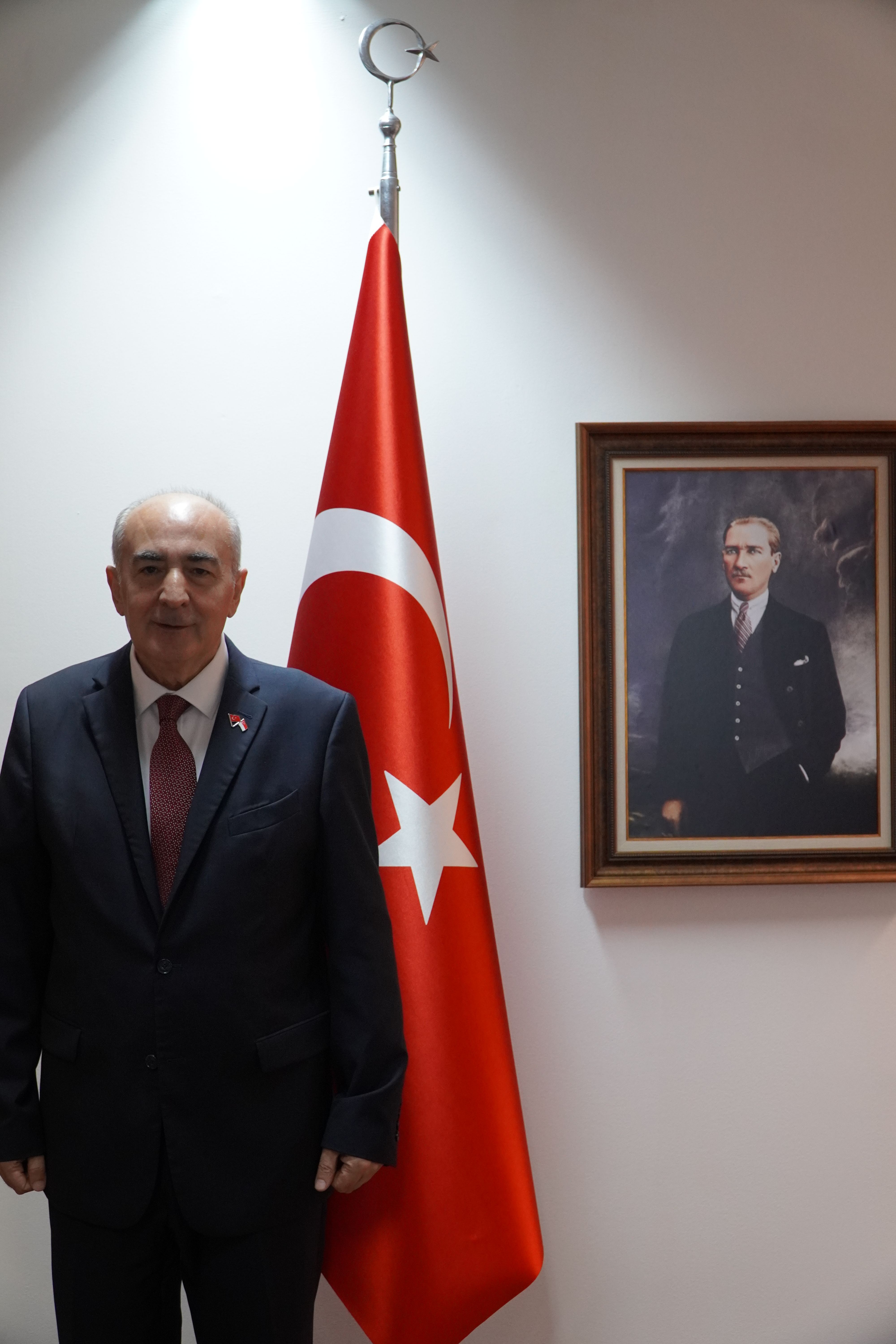
Sadik Arslan positioned next to Türkiye's flag and a portrait of Türkiye's founder. Photo: Esma Serin.
Sadik Arslan positioned next to Türkiye's flag and a portrait of Türkiye's founder. Photo: Esma Serin.
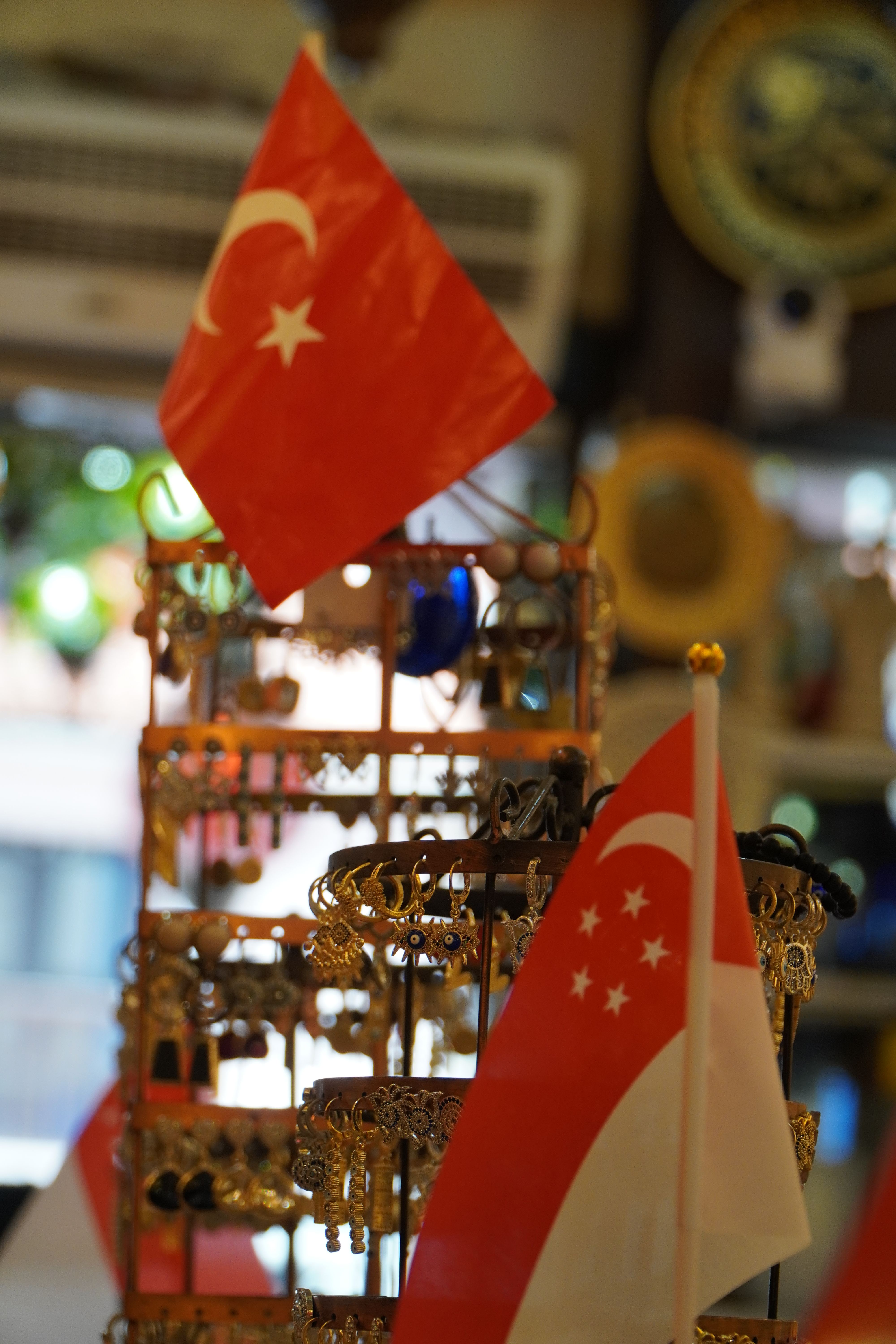
Two similar yet different flags, carrying different stories. Photo: Esma Serin.
Two similar yet different flags, carrying different stories. Photo: Esma Serin.
“We are few in number, and it is a bit hard, but we try to keep our culture alive here,” Singapore’s Turkish Ambassador Sadik Arslan says.
As an extremely small community making up less than 0.1 per cent (no more than 1050 people) of Singapore’s total population but having more than 50 industries spanning the lion city, Turkish migrants make their presence felt. Despite their visible contributions, they don’t always feel like they belong. Whether they’ve come for work, family or by chance, they face the quiet struggle of navigating their identity in a place where they often feel unseen.
As an Australian from a large Turkish community, I did not expect to find a sense of familiarity in Singapore. Yet Arab St and its people provide a welcoming sense of home.
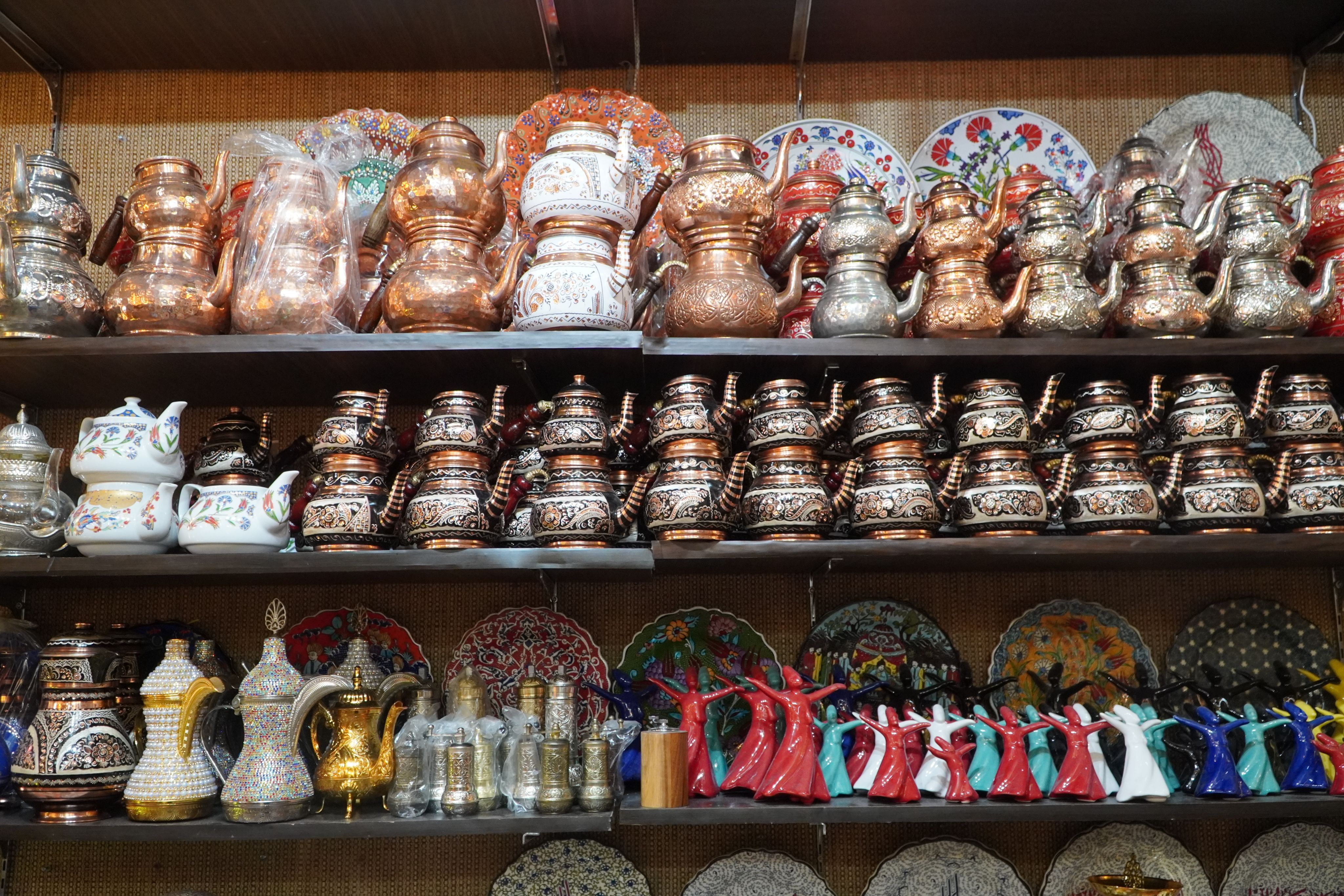
Turkish teapots and decorations. Photo: Esma Serin.
Turkish teapots and decorations. Photo: Esma Serin.
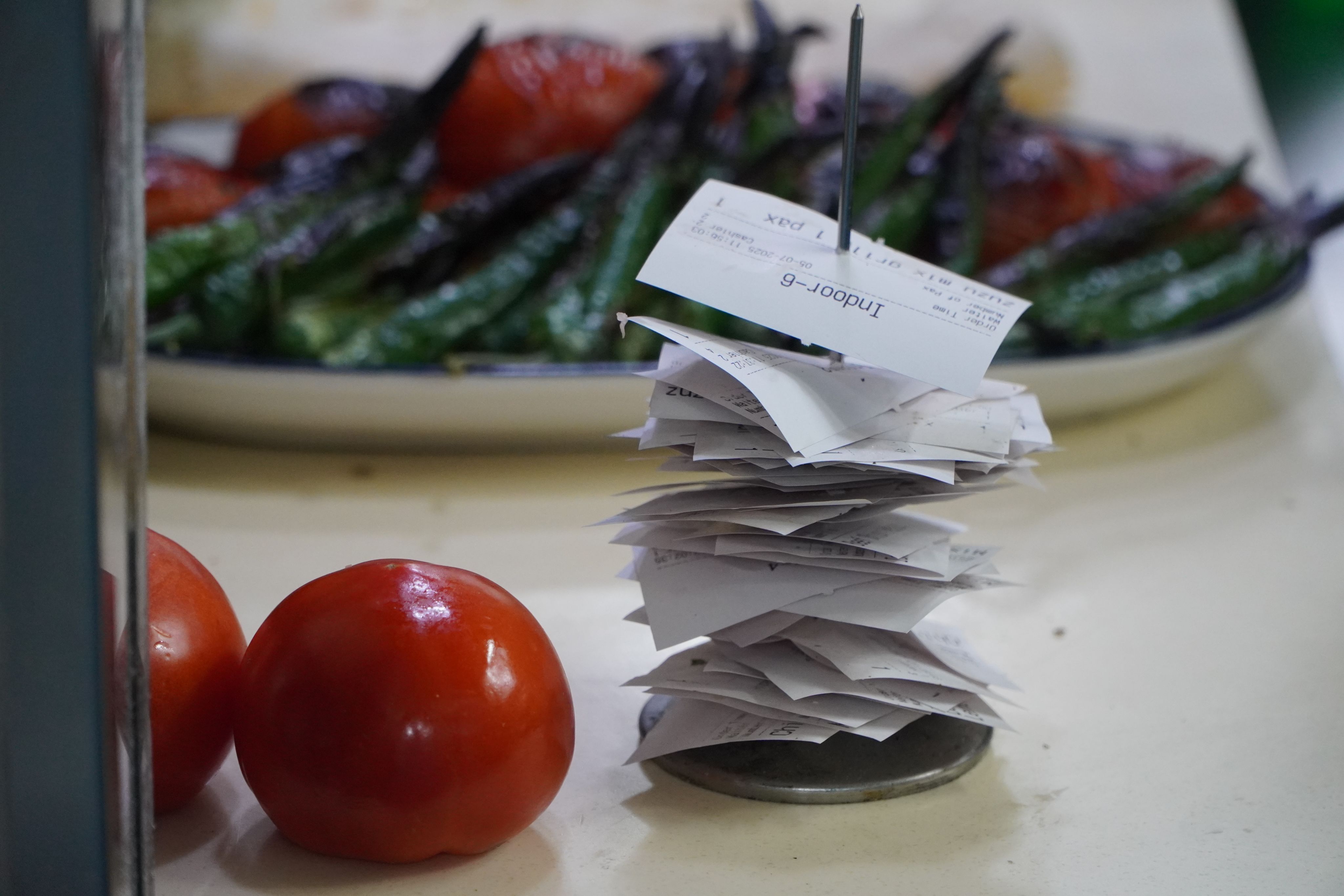
List of orders taken only halfway through the day. Photo: Esma Serin.
List of orders taken only halfway through the day. Photo: Esma Serin.
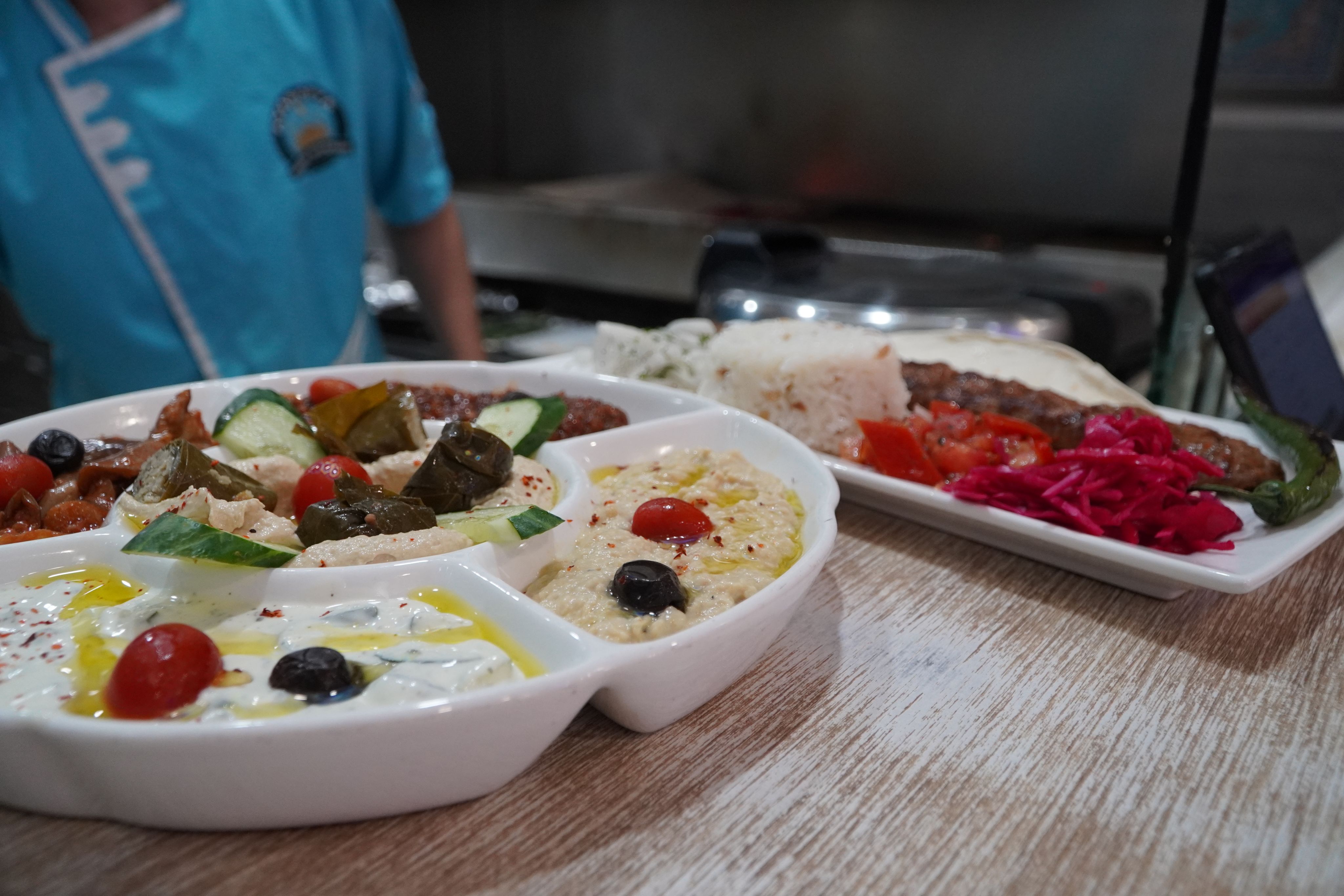
Classic dip platter and kebab combination. Photo: Esma Serin.
Classic dip platter and kebab combination. Photo: Esma Serin.
It is the same for many Turkish migrants in Singapore.
“Us Turks cannot do it without each other,” Arab Street chef Ali Kesen says. “It is very important for us to have close bonds with one another.
“We live our culture through food, and I think that’s why we have an abundance of restaurants here in Singapore.”
Kesen entered the culinary profession at a young age. Now the head chef at AyaSofya Turkish restaurant, he found himself in Singapore after being offered a job as a chef. Kesen describes his experience with this job offer as one of ‘destiny’ after he threw the paper with the job offer into an open flame, and five minutes later, the paper had not burned.
He recalls his nephew saying: “What are you doing uncle? Take the paper, it is meant to be.
“It took me more than three days to come to Singapore. I didn’t even know where Singapore was on the map. I live here now, and I’ve lived here since 2006, but I can’t live here for the rest of my life. I love Singapore, but I love my country more. I want to go back to Türkiye one day.”
This sense of homesickness is something he shares with fellow Arab Street worker Bahri Pasa.
After being in Türkiye for most of his life, he and his wife moved to Singapore when their children started school. He opened a gift shop in Arab street called “Grand Bazaar,” inspired by his home, Istanbul.
“I never wanted to leave home” he says. “This is not an easy country to live in. Not all Turkish people can live here and those who do, have a hard time. Not many of them stay.
“Even for the Turks who work here, we are always thinking about Türkiye. We are always looking for a way to go back.”
Like Pasa and others, Aslan Uzun speaks about the ongoing tension between living in Singapore and wanting to return home.
Uzun, the owner of two gift shops also in Arab street, ‘Mevlana’ and ‘Eminonu,’ ended up in Singapore when a group he took on a tour, invited him to Singapore.
“I didn’t like it here. I couldn’t get used to it,” he says. “So I went back to Türkiye before returning to Singapore again in 2007 with my wife.”
Being in Singapore for almost 20 years now, Uzun remembers his hardships and the feeling of not belonging, which remains. He says he couldn’t continue with his normal routine, comparing himself to a fish coming out of water for the first time. It made him feel different and alone.
“Assimilation is not hard, but we are different from the people around us. We do not sell alcohol in our shops and restaurants and sometimes this can be a problem,” Uzun admits.
“As long as you follow the rules, everyone is equal here. But not being able to use your own language makes you feel poor. When you can’t walk with your own customs, traditions and beliefs, you feel poor.
“Which one of us wouldn’t want to hear our Friday prayer sermon recited in Turkish. Which one of us wouldn’t want something like what you guys have back in Perth?”
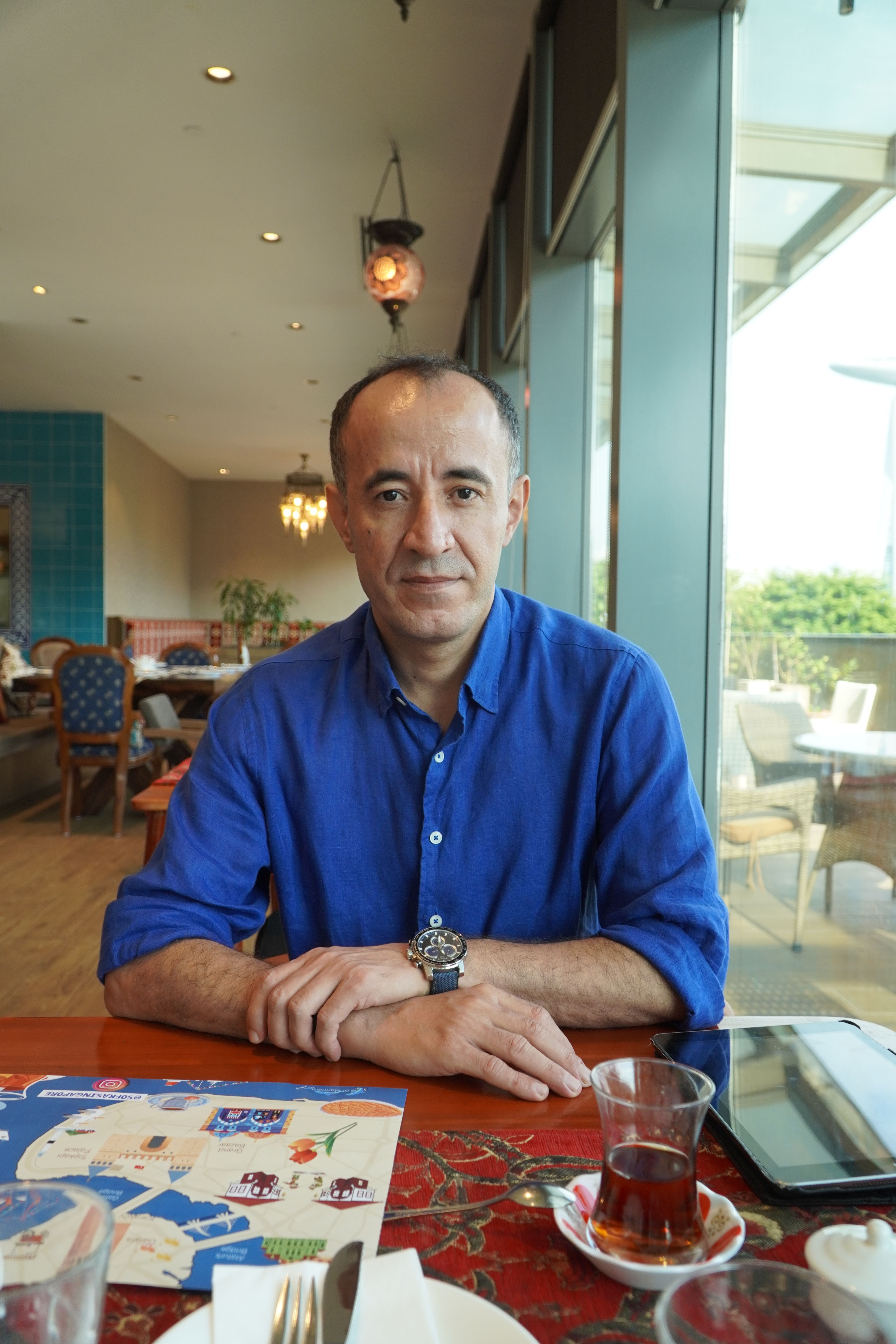
Ali Kesen seated in his previous workplace. Photo: Esma Serin.
Ali Kesen seated in his previous workplace. Photo: Esma Serin.
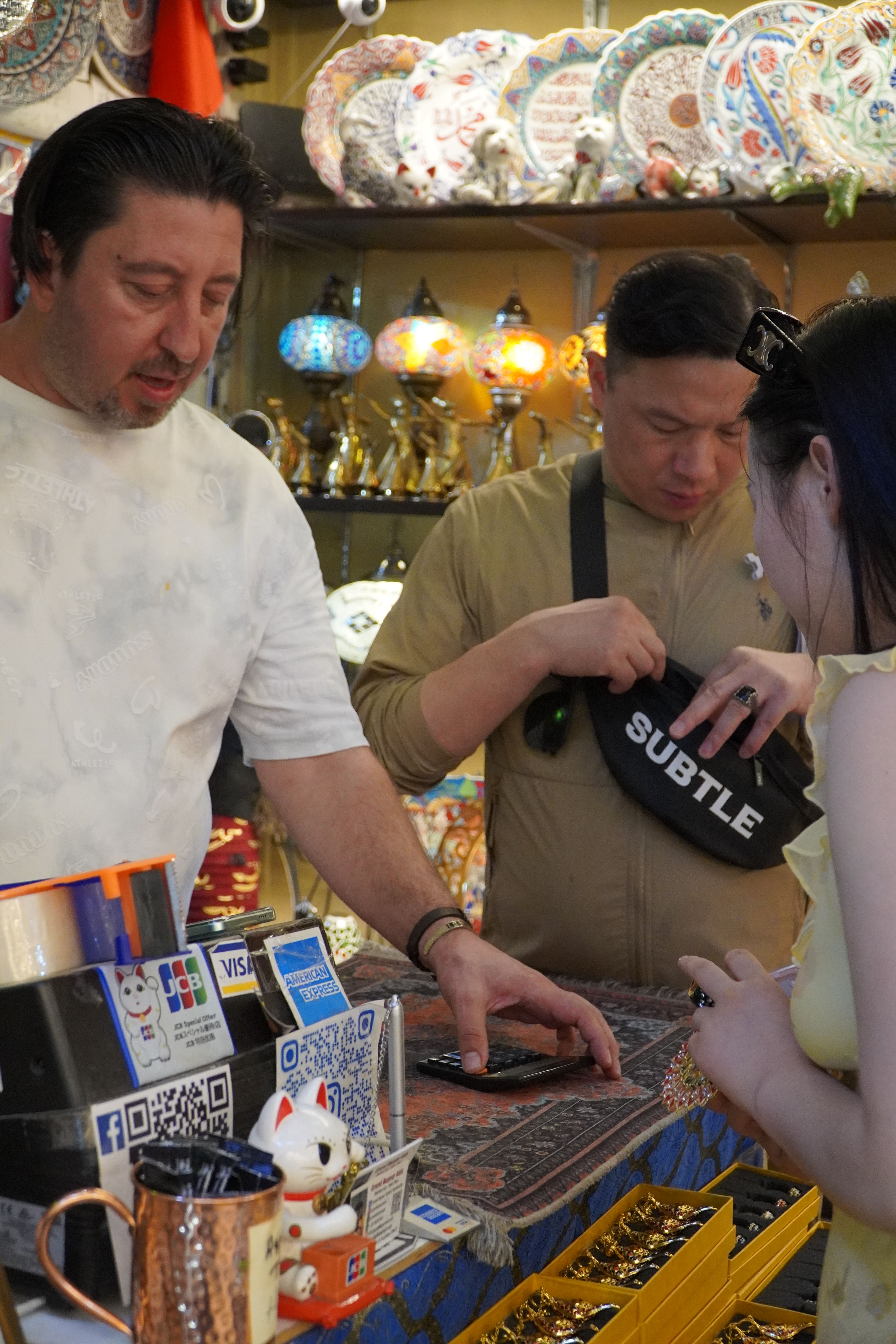
Bahri Pasa serving customers in his store, 'Grand Bazaar.' Photo: Esma Serin.
Bahri Pasa serving customers in his store, 'Grand Bazaar.' Photo: Esma Serin.
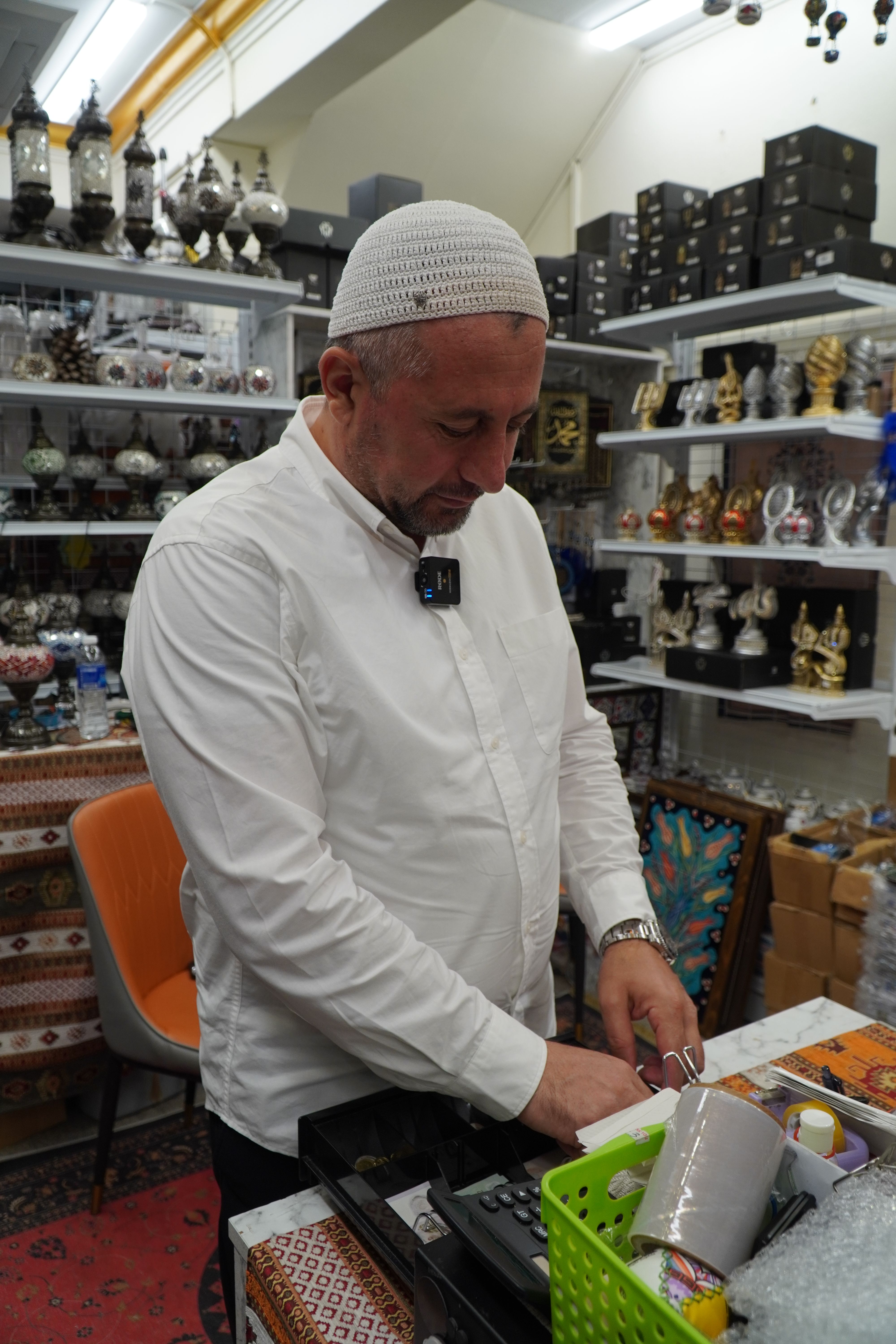
Aslan Uzun in one of his gift shops. Photo: Esma Serin.
Aslan Uzun in one of his gift shops. Photo: Esma Serin.
Uzun’s experience speaks to a larger issue. The quiet absence of certain minorities in Singapore’s model of multiculturalism.

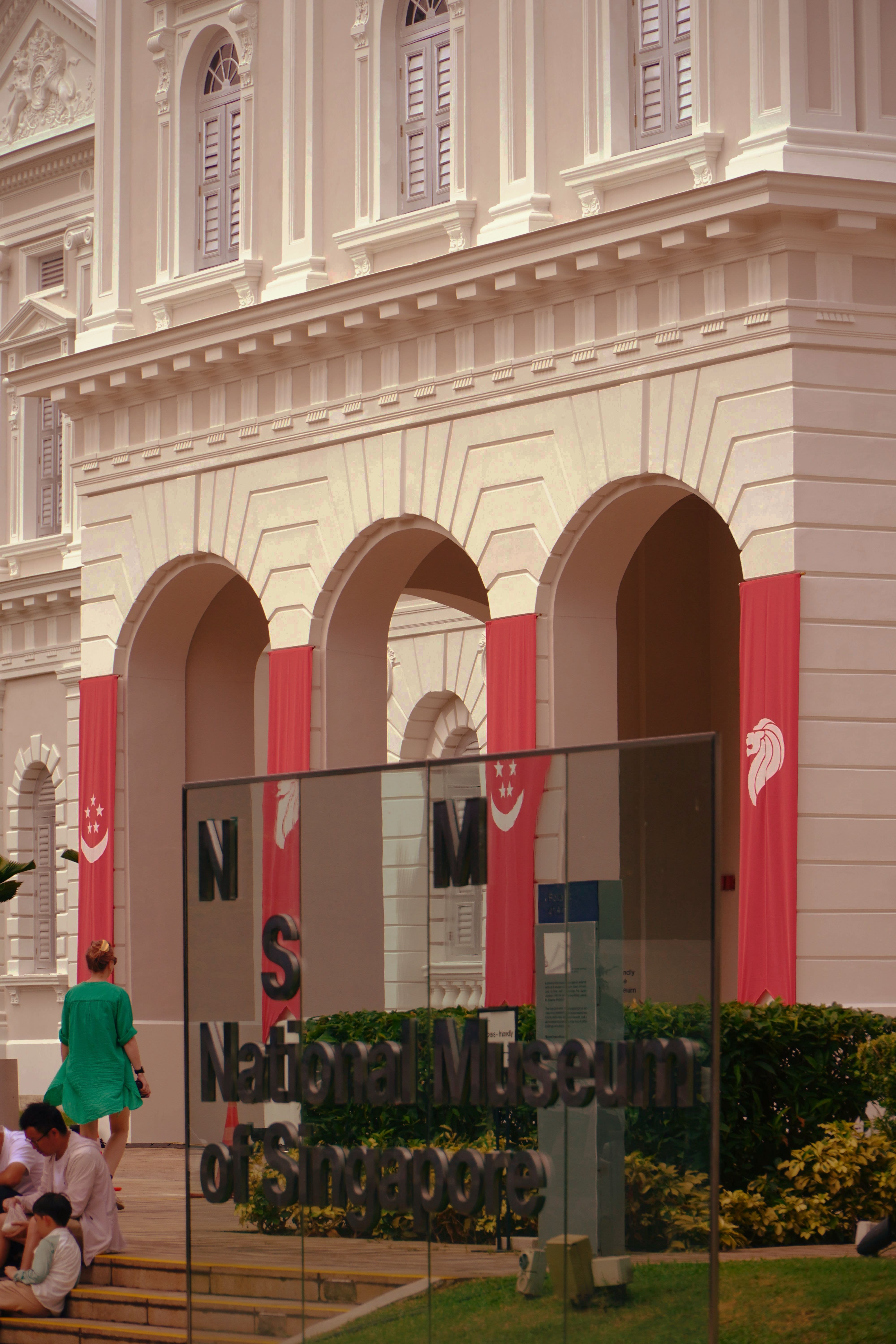
Linguistics and multilingual studies lecturer at Nanyang Technological University Geoffrey Benjamin says Singapore’s multicultural policies are concerned mainly with the major ethnic groups, often leaving out minorities. Also referred to as the CMIO model, these main groups are the Chinese, Malay and Indian ethnicities, with the O standing for others.
“The others are not specified except occasionally some are referred to as Eurasians and so I’m afraid people like Turks are often left out of Singapore’s multiracialism,” Dr Benjamin says.
He notes that while minorities like the Turkish community exist, gaining formal recognition or cultural recognition remains a challenge in Singapore.
“What you have just said, is the first time I have ever heard anyone refer to the possibility that there is something like a Turkish community in Singapore,” he tells me. “I am aware of Turkish restaurants but that’s as far as it goes.”
The CMIO model has a long-standing history in Singapore, where even the census classifies the diverse range of races into the four main categories of Chinese, Malay, Indian and Others. Though the Ministry of Foreign Affairs says 60 per cent of Singaporeans were happy with the model in 2021, the remaining 40 per cent disagree.

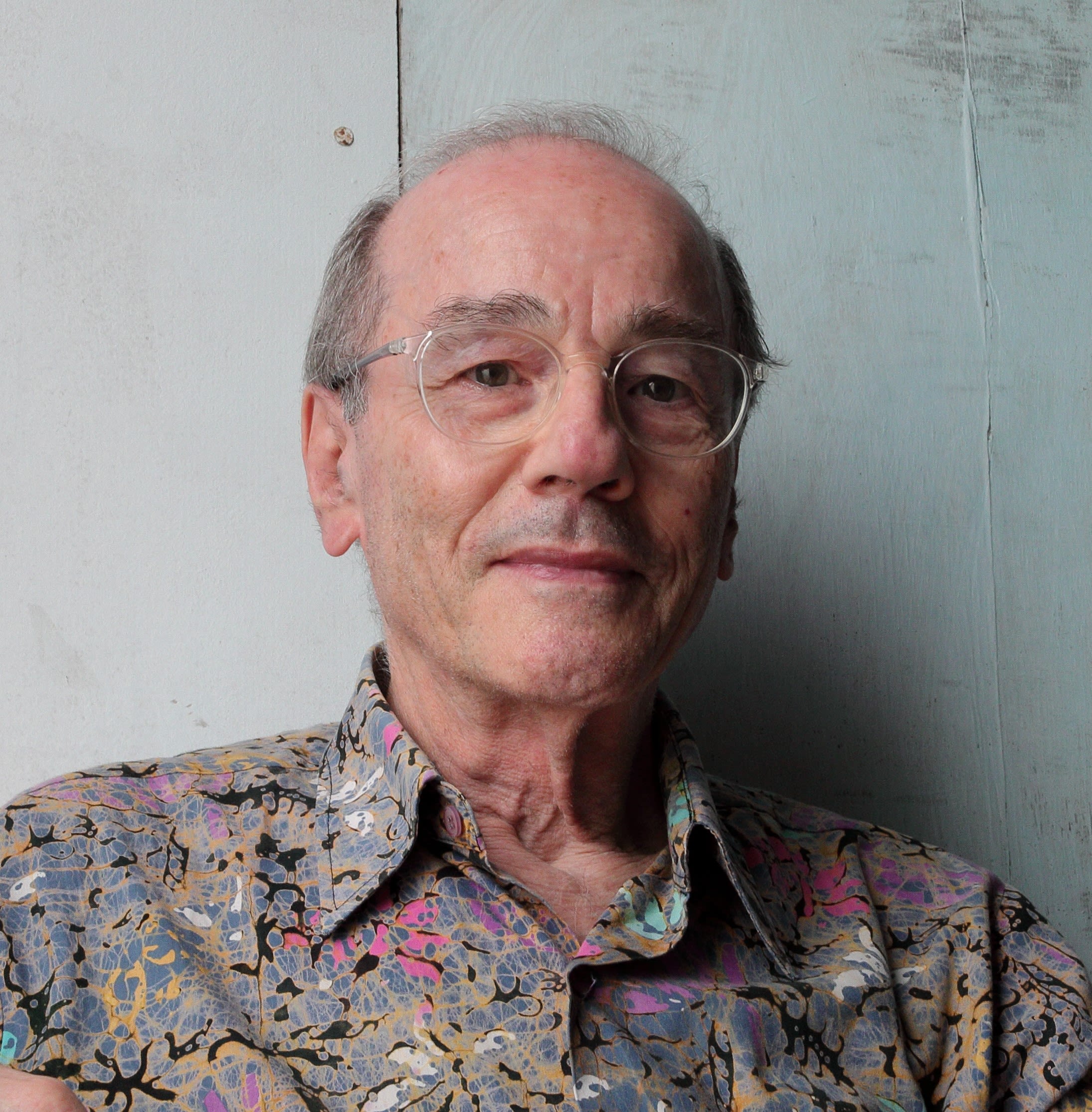
Like Dr Benjamin, Sadik Arslan, despite being the ambassador for only a few months, speaks confidently about the struggles the community faces as migrants and minorities.

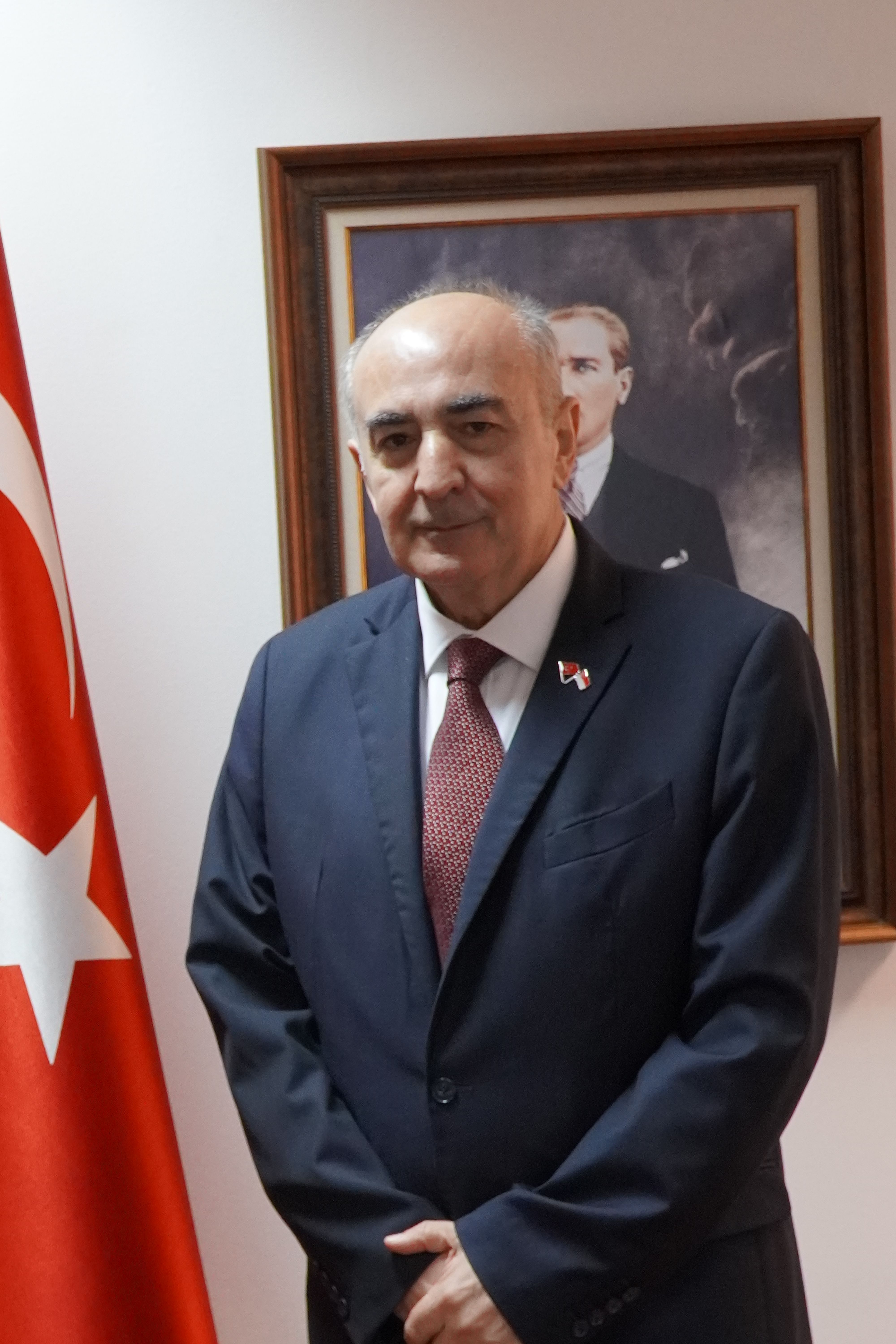
Singapore's Turkish ambassador. Photo: Esma Serin.
Singapore's Turkish ambassador. Photo: Esma Serin.
“Turkish people can come here without a visa for a holiday, but anything more and they can experience some trouble,” he says.
“The process is long, hard and often requires them to have good experience to be able to stay and work in Singapore.”
After battling this strenuous process, some Turkish migrants spend decades building something lasting, not just for themselves but for the community.

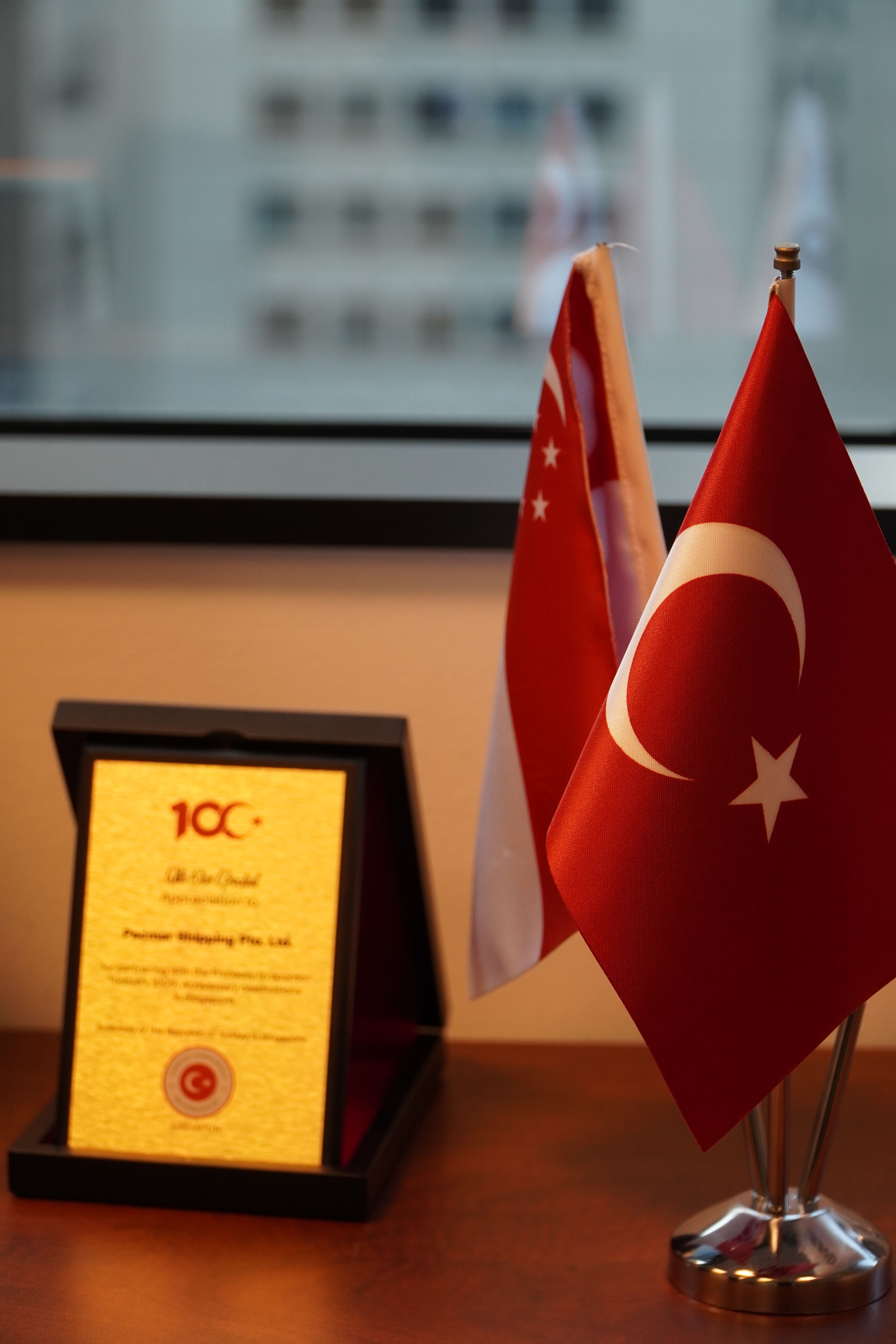

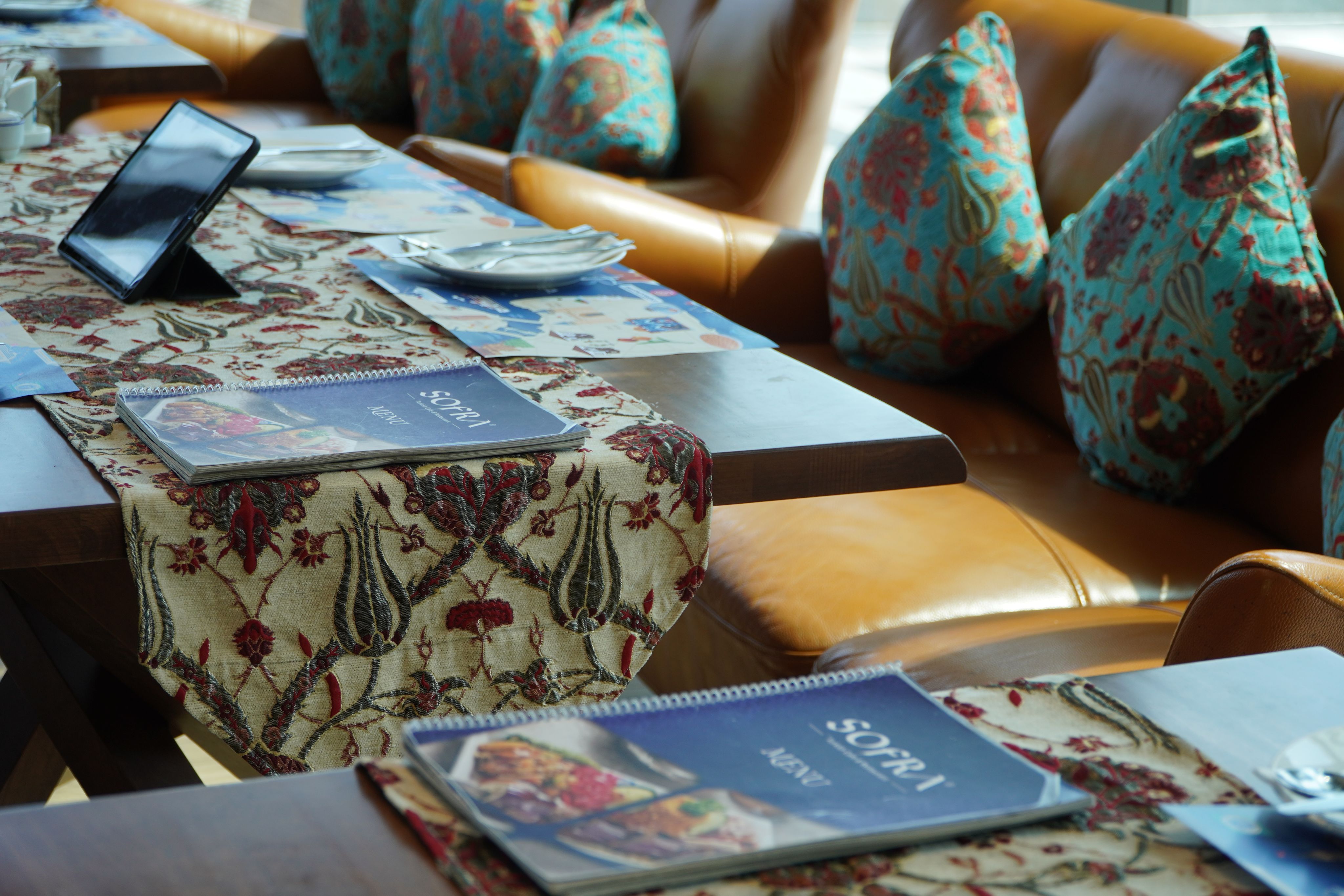

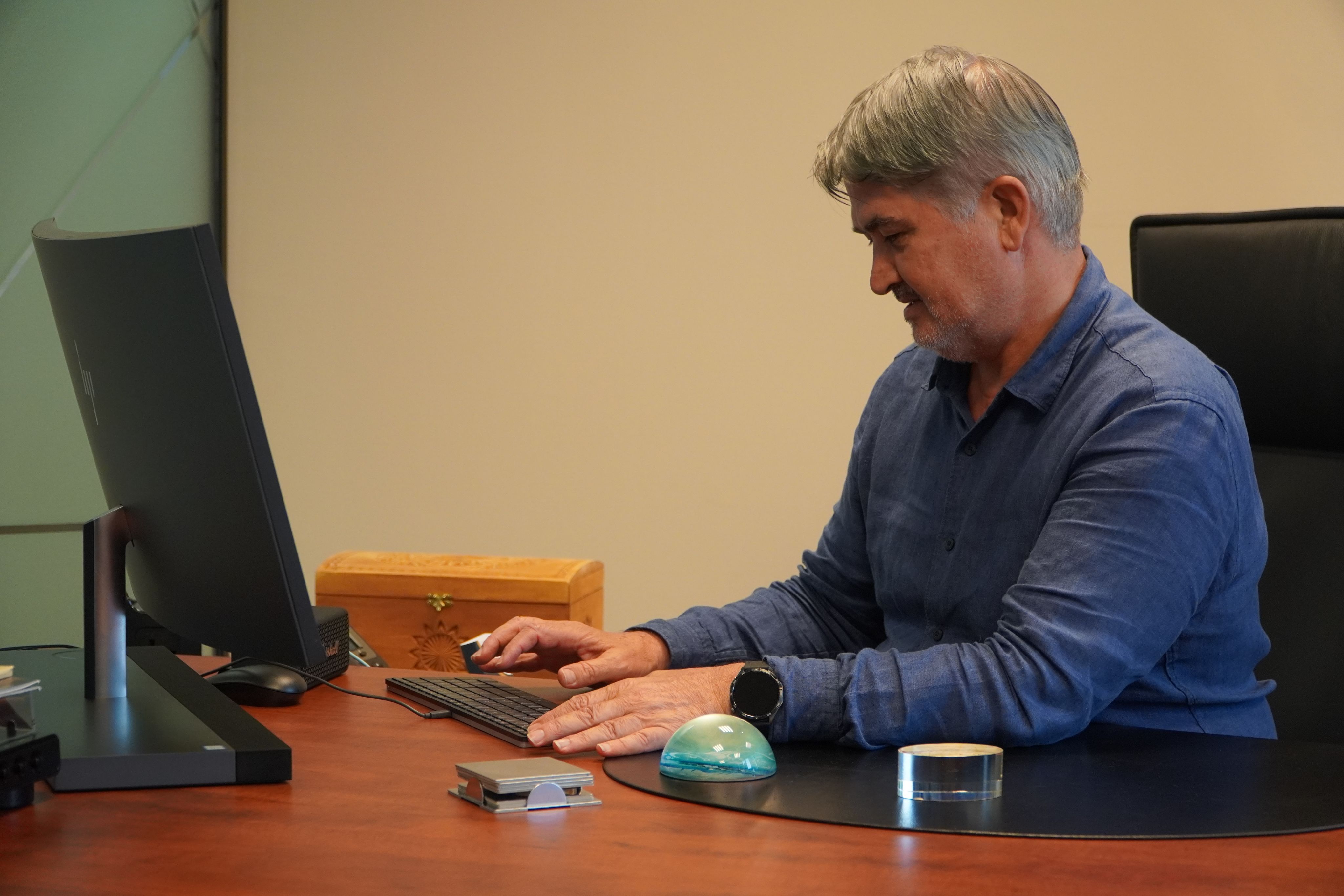
Sitki Kok, owner of Sofra Turkish restaurant in Marina Square and managing director of both Pacmar Shipping PTE LTD and Dava Shipping PTE LTD, found himself in Singapore in 1997. In a city with no familiar flavours, Kok decided to create what was missing.
“When I came in 1997, for two years I couldn’t eat anything, so some friends and I opened up Sofra. We started to make our own food,” Kok says proudly. “And it is still up and running today.”
Sofra has also become a second home for Turkish chefs who come to Singapore for work.
Since then, Kok has helped bring 10 chefs from Türkiye to Singapore. Kesen is one of these chefs. He worked at Sofra for 14 years before becoming a chef at AyaSofya and says he is extremely grateful for the opportunity that Sofra gave him.
“I didn’t feel alone. Sofra tried making me feel at home and I felt like I had a family here,” he says.
From these 10 chefs there are now four working at Sofra. Kok helps by arranging not just their job placements but their housing, documentation and other necessities.
“We pick them up from the airport, we sort out their accommodation, their work passes; everything,” he says.
“When I meet any of my fellow Turkish friends, if I am able to help them and if I am able to guide them, I do whatever is possible.”
Along with the help that Kok is volunteering, the Singapore Turkey Friendship Association aims to support the Turkish community in Singapore and build cross-cultural ties.
President Elif Ciftcioglu says while cultural representation remains limited in mainstream society due to the community’s size, the association is attempting to strengthen its presence in the cultural framework.
“While Singapore is a welcoming and organised country to live in, adapting to a different culture, schooling system and support network takes time, particularly for newcomers,” she says.
“One of the biggest challenges Turkish individuals and families face is the emotional distance from home and being far from family and loved ones.”
Coming from a much larger Turkish community in Australia, I was surprised by how deeply I connected with the one in Singapore. In their stories, I saw myself. In their stories I understood the feeling of being stuck in the middle, not knowing where you belong. Half here, half there.

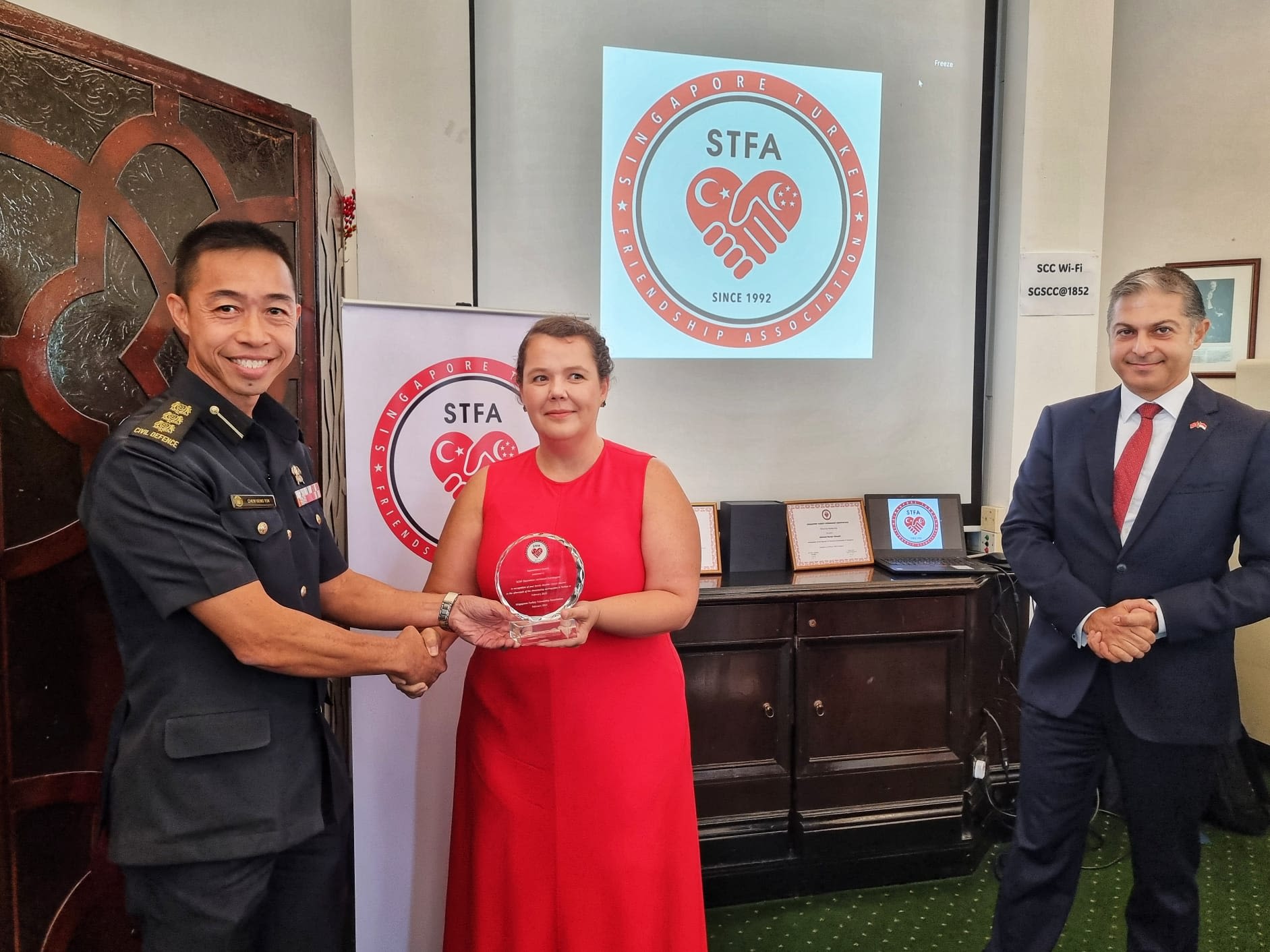
Elif Ciftcioglu accepting an award for her commitment to the community. Photo: supplied.
Elif Ciftcioglu accepting an award for her commitment to the community. Photo: supplied.
Bahri Pasa speaking about the struggle of having to choose between Türkiye and Singapore. Video: Esma Serin.
Bahri Pasa speaking about the struggle of having to choose between Türkiye and Singapore. Video: Esma Serin.
 Built with Shorthand